Naturopathy vs Ayurveda vs Homeopathy: The Ultimate Guide to Holistic Medicine
"Doctor, I am confused. Should I take Ayurvedic kadha, eat raw Naturopathic salads, or take those sweet Homeopathic pills?"
This is a question echoed in the corridors of healing centers across the world. As the limitations of conventional Western medicine (Allopathy) in treating chronic lifestyle diseases become apparent, humanity is turning back to ancient wisdom. But the world of alternative medicine is vast and often bewildering. Naturopathy, Ayurveda, and Homeopathy are the three titans of holistic healing, yet they are often used interchangeably by the layperson.
While they share a common goal—to heal the patient, not just the disease—their philosophies, diagnostic methods, and treatment modalities are radically different. Choosing the wrong path can lead to delayed healing, while choosing the right one can unlock a level of vitality you never thought possible.
At the Natural Treatment Hospital in Lucknow, we practice an integrated approach, primarily focused on Naturopathy and Yoga, but we deeply respect the wisdom of our sister sciences. This comprehensive, 5,000-word guide is designed to be the definitive resource on the internet to help you understand the nuances of these three systems. We will dive deep into their origins, dissect their scientific principles, compare their effectiveness for specific diseases, and help you make an informed decision for your health.
Table of Contents
- Part 1: The Foundations of the Three Systems
- Deep Dive: Naturopathy (The Art of Living)
- Deep Dive: Ayurveda (The Science of Life)
- Deep Dive: Homeopathy (The Energy Medicine)
- Part 2: The Great Comparative Analysis
- Part 3: Which System for Which Disease?
- Part 4: The Integrated Approach
- Frequently Asked Questions
Part 1: The Foundations of the Three Systems
To understand the difference, we must first understand the soul of each system. They are not just medical techniques; they are worldviews.
Naturopathy
Origin: Global / Ancient Roots (Formalized in 19th Century Germany/USA)
Core Philosophy: Vis Medicatrix Naturae (The Healing Power of Nature).
Key Tool: The 5 Elements (Earth, Water, Fire, Air, Ether).
Ayurveda
Origin: India (Vedic Period, >5000 years old)
Core Philosophy: Balance of Tridosha (Vata, Pitta, Kapha).
Key Tool: Herbs, Oils, Panchakarma.
Homeopathy
Origin: Germany (Late 18th Century by Samuel Hahnemann)
Core Philosophy: Similia Similibus Curentur (Like Cures Like).
Key Tool: Potentized Dilutions (Sugar Globules).
Deep Dive: Naturopathy (The Art of Living)
Naturopathy is distinct because it is arguably the only system that is drugless. While Ayurveda uses herbs (which are natural drugs) and Homeopathy uses potentized remedies, Naturopathy relies almost exclusively on the elements of nature and the body's own machinery.
The Philosophy: Accumulation of Morbid Matter
Naturopathy believes that all disease has a single cause: the accumulation of toxins (Morbid Matter) in the body due to a violation of nature's laws. When we eat wrong, sleep late, or stress too much, our elimination organs (kidneys, skin, bowels) get overwhelmed. The waste that should have gone out stays in, fermenting and causing inflammation.
Therefore, Naturopathy does not treat the disease (e.g., headache); it treats the body. It cleanses the system so that the headache disappears as a natural consequence of health returning.
The Toolkit of a Naturopath
-
1.
Diet Therapy (Food as Medicine): Naturopathy is famous for its dietary rigor. It categorizes food not by carbs or protein, but by its eliminative properties.
Example: A "Mono-diet" of only watermelon for 3 days to flush the kidneys. -
2.
Hydrotherapy (Water Cure): Using water at varying temperatures to manipulate blood flow. Cold water drives blood inward to the organs; hot water draws it out to the skin.
Example: Hip baths for menstrual disorders or digestive issues. -
3.
Mud Therapy (Earth Cure): Mud absorbs toxins, retains moisture, and cools the body. It is magnetic in nature and revitalizes the nerves.
Example: Mud packs on the eyes for glaucoma or on the stomach for constipation. -
4.
Fasting (Langhana): Considered the "Royal Cure." By stopping the intake of food, the body's energy is redirected from digestion to repair and elimination.
Deep Dive: Ayurveda (The Science of Life)
Ayurveda is the oldest medical system in the world. Unlike Naturopathy, which focuses on "cleaning," Ayurveda focuses on "balancing." It is a highly sophisticated system of constitutional medicine.
The Philosophy: The Tridosha Theory
Ayurveda sees the human body as a microcosm of the universe, governed by three biological energies or Doshas:
Vata (Air + Ether)
Governs movement. Imbalance leads to anxiety, dryness, constipation, and pain.
Pitta (Fire + Water)
Governs metabolism. Imbalance leads to anger, acidity, inflammation, and skin rashes.
Kapha (Earth + Water)
Governs structure. Imbalance leads to lethargy, obesity, congestion, and depression.
In Ayurveda, nothing is right for everyone. Ginger is medicine for a Kapha person but poison for a Pitta person. This personalization is the hallmark of Ayurveda.
The Toolkit of an Ayurvedic Doctor (Vaidya)
-
1.
Herbal Pharmacology: Ayurveda uses thousands of herbs (Ashwagandha, Turmeric, Brahmi) in complex formulations (bhasmas, churnas, arishtas) to correct doshic imbalances.
-
2.
Panchakarma (Five Actions): A rigorous detoxification process involving Vamana (vomiting), Virechana (purgation), Basti (enema), Nasya (nasal administration), and Raktamokshana (bloodletting).
-
3.
Dinacharya (Daily Routine): Strict guidelines on when to wake up, how to bathe (Abhyanga - oil massage), and when to eat to align with circadian rhythms.
Deep Dive: Homeopathy (The Energy Medicine)
Homeopathy is the most controversial yet widely used of the three in the West. It is based on a principle that defies conventional logic but has shown clinical results for centuries.
The Philosophy: Like Cures Like
Samuel Hahnemann discovered that a substance that causes symptoms in a healthy person can cure those same symptoms in a sick person.
Example: Cutting an onion causes watery eyes and a runny nose. Therefore, Allium Cepa (derived from red onion) is a homeopathic remedy for hay fever with watery eyes.
The Law of Minimum Dose: Homeopathic remedies are diluted to such an extent (Potentization) that often not a single molecule of the original substance remains. Homeopaths believe this releases the "dynamic energy" or memory of the substance, which stimulates the body's Vital Force to heal.
The Toolkit of a Homeopath
-
1.
Constitutional Remedies: A homeopath spends hours understanding the patient's psychology, dreams, fears, and physical symptoms to find one single remedy (Simillimum) that matches their entire being.
-
2.
Tinctures and Globules: The medicines are sweet sugar pills, making them easy to administer to children and pets.
Part 2: The Great Comparative Analysis
Now that we understand the souls of these systems, let us compare them head-to-head across critical parameters.
| Parameter | Naturopathy | Ayurveda | Homeopathy |
|---|---|---|---|
| Diagnosis Method | Iris diagnosis, facial analysis, tongue, spine palpation. Focus on accumulation of waste. | Nadi Pariksha (Pulse), Prakriti analysis, observation of skin/eyes/tongue. Focus on Dosha. | Extensive interview (case taking) about mental state, dreams, fears, sensations. Focus on "Totality of Symptoms". |
| Primary Treatment | Lifestyle change, Diet, Mud, Water, Sun, Air, Fasting. No external medicines. | Herbal medicines (Kashayam, Vati), Medicated Oils, Ghee, Panchakarma therapies. | Potentized dilutions of plant, mineral, or animal substances in sugar pills or alcohol. |
| Dietary Restrictions | Very Strict. Often vegan, salt-free, spice-free, raw-focused during treatment. | Moderate/Specific. Depends on Dosha. Ghee and dairy are encouraged. Cooked food preferred. | Minimal. Avoiding strong odors (coffee, camphor, mint) that might antidote the medicine. |
| Side Effects | None. Sometimes a "Healing Crisis" (fever/rash) occurs as toxins exit. | Possible. Improper use of metallic bhasmas or strong herbs can cause toxicity. Requires skilled doctor. | None. Safe for infants and pregnant women due to high dilution. |
| Cost | Low to Medium. Cost is mainly for therapy time/stay. Food is cheap. | Medium to High. Authentic Panchakarma and gold-based medicines can be expensive. | Low. Medicines are very inexpensive. Cost is mainly for doctor's consultation. |
| Speed of Action | Slow to Medium. Depends on patient's discipline. High effort, high reward. | Medium. Herbs can provide symptomatic relief faster than lifestyle change alone. | Variable. Can be instant in acute cases (like Arnica for injury) or slow in chronic cases. |
Part 3: Which System for Which Disease?
While all three systems claim to cure everything, clinical experience shows that each has its "zone of genius."
Scenario A: Obesity, Diabetes, Hypertension (Metabolic Syndrome)
Winner: Naturopathy & Yoga
These are diseases of excess and lifestyle. No pill (Ayurvedic or Homeopathic) can correct a bad lifestyle as effectively as Naturopathy. The strict dietary discipline, fasting, and physical yoga practice attack the root cause (visceral fat and insulin resistance) directly.
Protocol: Mud packs, Enemas, Raw diet, Surya Namaskar.
Scenario B: Arthritis, Paralysis, Musculoskeletal Pain
Winner: Ayurveda
Vata disorders involving dry joints, pain, and nerve damage respond miraculously to Ayurvedic oil therapies (Abhyanga, Pizhichil). The unctuousness of the oil nourishes the dried-up tissues in a way water or pills cannot.
Protocol: Mahanarayan Oil massage, Potli (herbal poultice), Guggul supplements.
Scenario C: Allergies, Auto-immune, Psychosomatic issues
Winner: Homeopathy
For conditions where the immune system is hyperactive (Allergic Rhinitis, Eczema) or the cause is deeply emotional (anxiety, grief), Homeopathy excels. It works on the subtle energy body to reset the immune response without suppressing it.
Protocol: Constitutional remedy (e.g., Natrum Mur, Sulphur) + Acute support.
Scenario D: Emergency / Trauma / Surgery
Winner: Allopathy (Modern Medicine)
It is crucial to be honest. If you have a heart attack, a fracture, or a ruptured appendix, go to a modern hospital. Natural systems are for chronic care and rehabilitation, not acute life-saving emergencies.
Part 4: The Integrated Approach at Natural Treatment Hospital
Why choose one when you can have the best of all? At our clinic in Lucknow, we practice Integrated Naturopathy.
We have found that:
- Naturopathy is the best foundation. It cleans the canvas. Everyone needs to detox.
- Yoga is the best maintenance. It keeps the structure strong.
- Ayurveda provides the best support. When the body is too weak to fast, herbal tonics give strength.
Case Study: The "Impossible" Eczema Cure
We had a patient, Rohan (24), with severe weeping eczema.
1. Naturopathy: We put him on a juice fast (Bottle Gourd) to alkalize his blood and used Neem water washes.
2. Ayurveda: We used Tikta Ghrita (Bitter Ghee) internally to pacify his aggravated Pitta.
3. Result: The combination cleared in 1 month what steroids hadn't cured in 5 years. Naturopathy stopped the incoming toxins, Ayurveda neutralized the existing ones.
Frequently Asked Questions
Can I take Homeopathy and Ayurveda together? ▼
Generally, yes. However, strong-smelling Ayurvedic balms (like camphor-based ones) should be kept away from Homeopathic medicines. Always consult a doctor before mixing systems.
Which is safer? ▼
Naturopathy and Homeopathy are considered safer as they have negligible side effects. Ayurveda is safe if prescribed by a qualified Vaidya, but self-medication with herbs can be dangerous.
Is Naturopathy scientifically proven? ▼
Yes. The mechanisms of fasting (Autophagy), Yoga (Vagus nerve stimulation), and diet (Microbiome changes) are extensively documented in modern medical journals like The Lancet and PubMed.
I have diabetes. Where should I start? ▼
Start with Naturopathy. Diabetes is a metabolic disorder. You need to fix your metabolism through diet and exercise first. Supplements (Ayurveda/Homeopathy) can come later as support.
Conclusion: The Path to True Healing
The debate between Naturopathy, Ayurveda, and Homeopathy is, in many ways, a false one. They are different instruments in the same orchestra of holistic health.
If you are looking for a quick fix to suppress a symptom, none of these are for you. But if you are ready to take responsibility for your health, to listen to your body, and to make the lifestyle changes necessary for a disease-free life, then Naturopathy offers the most direct, logical, and empowering path.
Nature does not rush, yet everything is accomplished. We invite you to step out of the cycle of pills and side effects and step into the healing embrace of nature.
About the Author & Medical Review
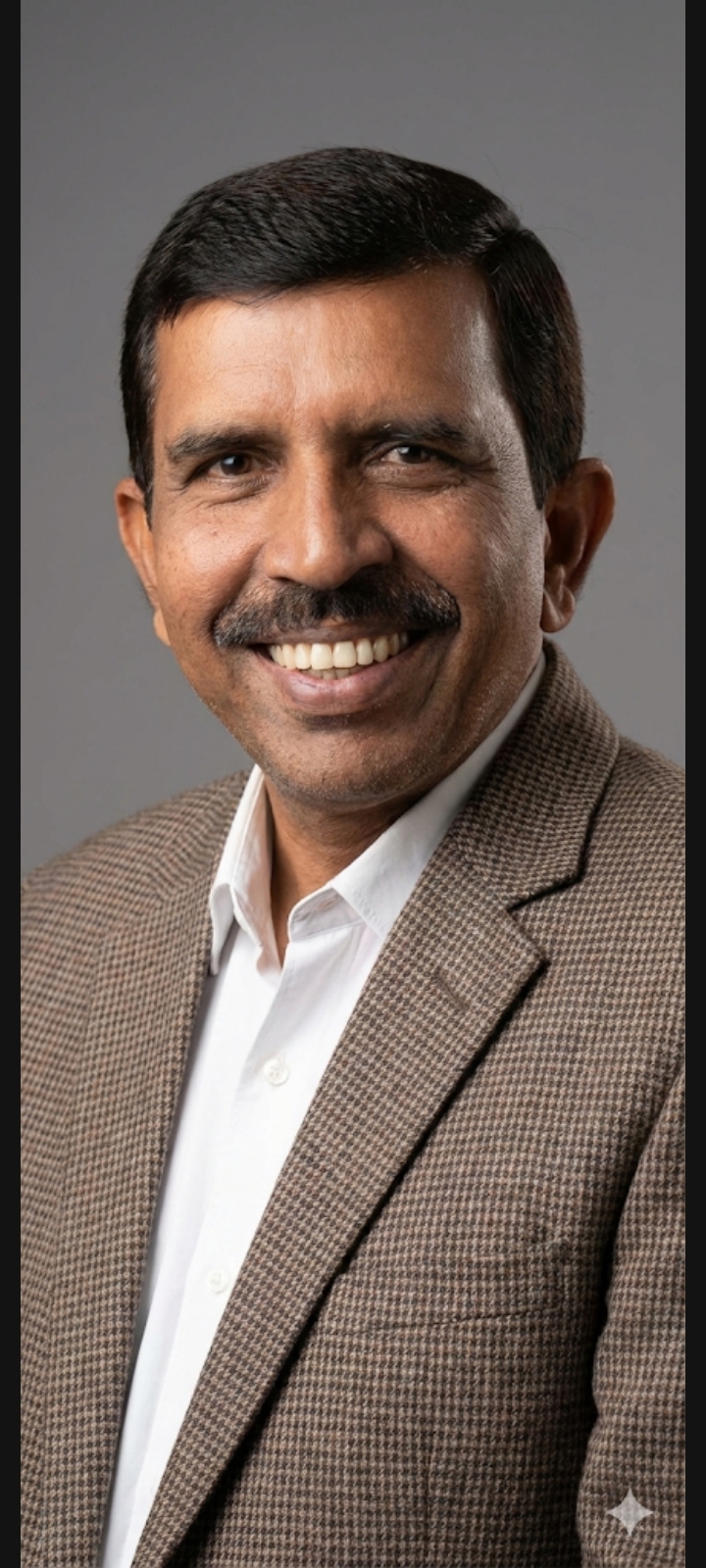
Dr. Nand Lal Yadav
Naturopathic Doctor & Yoga Expert
With over 15 years of clinical experience, Dr. Yadav specializes in reversing chronic lifestyle diseases through integrated Naturopathy and Yoga.
View Full Profile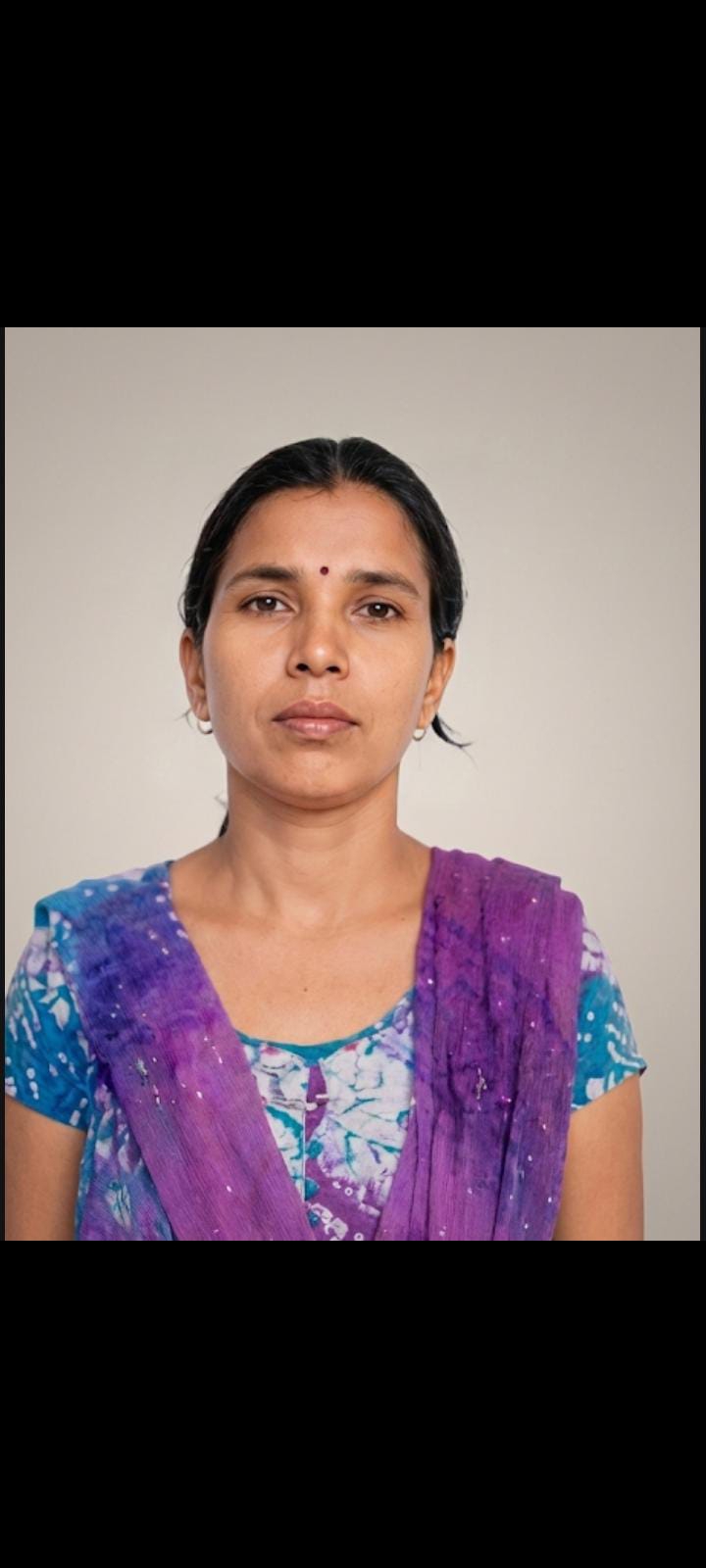
Medical Review: Dr. Neelam Kumari
Naturopathy Therapist
Expert in women's health and naturopathic diets. Reviewed for medical accuracy and nutritional validity.
View Full ProfileMedical Review
This article has been reviewed by our panel of experts: Dr. Nand Lal Yadav, Dr. Neelam Kumari.